Bacteria In Tulsa Water: From Coliform Bacteria to Algae Blooms, Should You Be Concerned?
Bacteria is present in nearly all freshwater sources. Tulsa is no exception. But is this a concern for your drinking water? Whether you have a private well or spring, or municipal water, most of these contaminants are successfully eliminated and disinfected using chlorination, chloramines or UV treatment.
The bacteria that lives in Tulsa isn’t always the type of bacteria that is discussed when it comes to infiltrating your water system. But they all significant impacts and pose health risks. However, a number of issues can arise that allow bacteria and viruses to infiltrate your water supply, including runoff, septic systems, animals and poor well/spring construction. Additionally, algae blooms can cause other tap water issues unrelated to bacteria.
The four major concerns when it comes to Tulsa bacteria are:
- Coliform bacteria
- Algae blooms
- Vibrio vulnificus
We will explore all of them, which ones are a concern in your drinking water, and which are not.
Treatment Options For Bacteria in Tulsa Water
While some of the common bacteria can be treated by boiling water, like giardia and cryptosporidium, others are more difficult to eliminate from drinking water. In those cases, you’ll want to be sure you’re treating water with a reverse osmosis filtration system to effectively remove problematic bacteria.
To protect yourself and your family from bacteria found in tap water, there are several options to choose from —whether you want filtration just at the kitchen sink, or a whole house of filtered water free from bacteria.
The type of treatment you need can depend on a variety of factors. Another common form of disinfection technology is UV. Culligan’s UV Disinfection System within its whole home UV water purification solution can be added to your filter or softener to eliminate 99.99% of bacteria, viruses, mold and other waterborne contaminants such as protozoa.
Why Choose Tulsa Culligan for Bacteria Protection?
When it comes to protecting your home from bacteria, viruses, and other microbial contaminants, Tulsa Culligan offers solutions that go beyond basic filtration. Our advanced reverse osmosis systems and UV disinfection technology are engineered to eliminate up to 99.99% of bacteria, including coliform, E. coli, and protozoa like giardia. Whether you rely on city water or a private well, Culligan’s tailored water treatment options give you the confidence of cleaner, safer water, backed by expert testing, installation, and service from your local Tulsa-area team.
Solutions
Products to Remove Bacteria
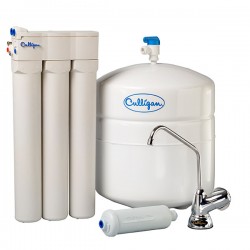
AC-30® Drinking Water System – 4 Stage Filtration
- Reduces Chromium-6.
- Saves money compared to using single-serve bottles from the store.
- Go green by eliminating wasteful plastic bottles.
- Improve the taste of coffee, tea, powdered drinks, soups, recipes and baby formula.
- Free up valuable refrigerator space by eliminating pitchers and bottled water
- Meets strict standards of NSF International and WQA.
- Third-party certified to perform as promised and are backed by one of the most comprehensive warranties in the industry.
- The Culligan® AC-30 Good Water Machine® is maintenance-free. Your local Culligan Man handles everything, and it comes with an elegant designer faucet in a variety of styles to match any kitchen.
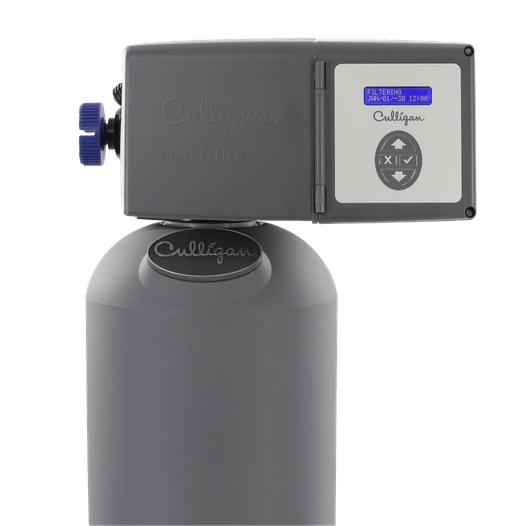
Aquasential™ Smart High Efficiency Whole House Water Filters
Reduce sediments in your water and contaminants that cause your water to appear, taste, and smell unpleasant. Your system can also lessen the taste and odor of chlorine, and prevent pipe damage and staining from low pH water. Additional customizations include:
- Culligan® Filtr-Cleer® Water Filters – Reduces Sediment Problems
- Culligan® Cullar® Water Filters – Reduces Taste and Odor Problems
- Culligan® Cullneu Water Filters – Reduces Acid Problems
This Type of Bacteria Is The Most Common Drinking Water Concern
Coliform bacteria are a group of microorganisms commonly found in the environment, including soil, vegetation, and the intestinal tracts of animals. In the context of water quality, they are crucial indicators. Their presence in water bodies, such as Tulsa, often signals contamination and the potential presence of harmful pathogens. Tulsa, a large natural harbor and estuary along the Gulf of Mexico, is not just a recreational and aesthetic asset but also an ecological cornerstone.
In September 2023, two beaches were closed because of fecal matter in the water and bacteria risk. However, this was never an issue with the local drinking water.
Coliform bacteria is most likely found in rural farming areas, as bacteria commonly found in soil, plants, and animals.
What Are Sources of Coliform Bacteria In Tulsa Water?
One of the primary sources of coliform bacteria in Tulsa is urban runoff. Heavy rains can wash contaminants from urban areas into the bay, including bacteria from pet waste and leaky sewage systems. Occasional sewage spills exacerbate this problem, leading to higher levels of bacterial contamination.
Agricultural activities in the Tulsa watershed also contribute to the presence of coliform bacteria. Runoff from farms, carrying manure and other waste, can introduce these bacteria into the water system. Furthermore, natural sources, such as wildlife, are also contributors, although their impact is typically less significant compared to human activities.
How To Detect Bacteria In Water
Turbidity is the apt descriptor of cloudy water with suspended solids. While the water itself is not harmful to humans, the suspended solids can act as an impediment to the disinfection process and provide an ideal environment for microbial growth.
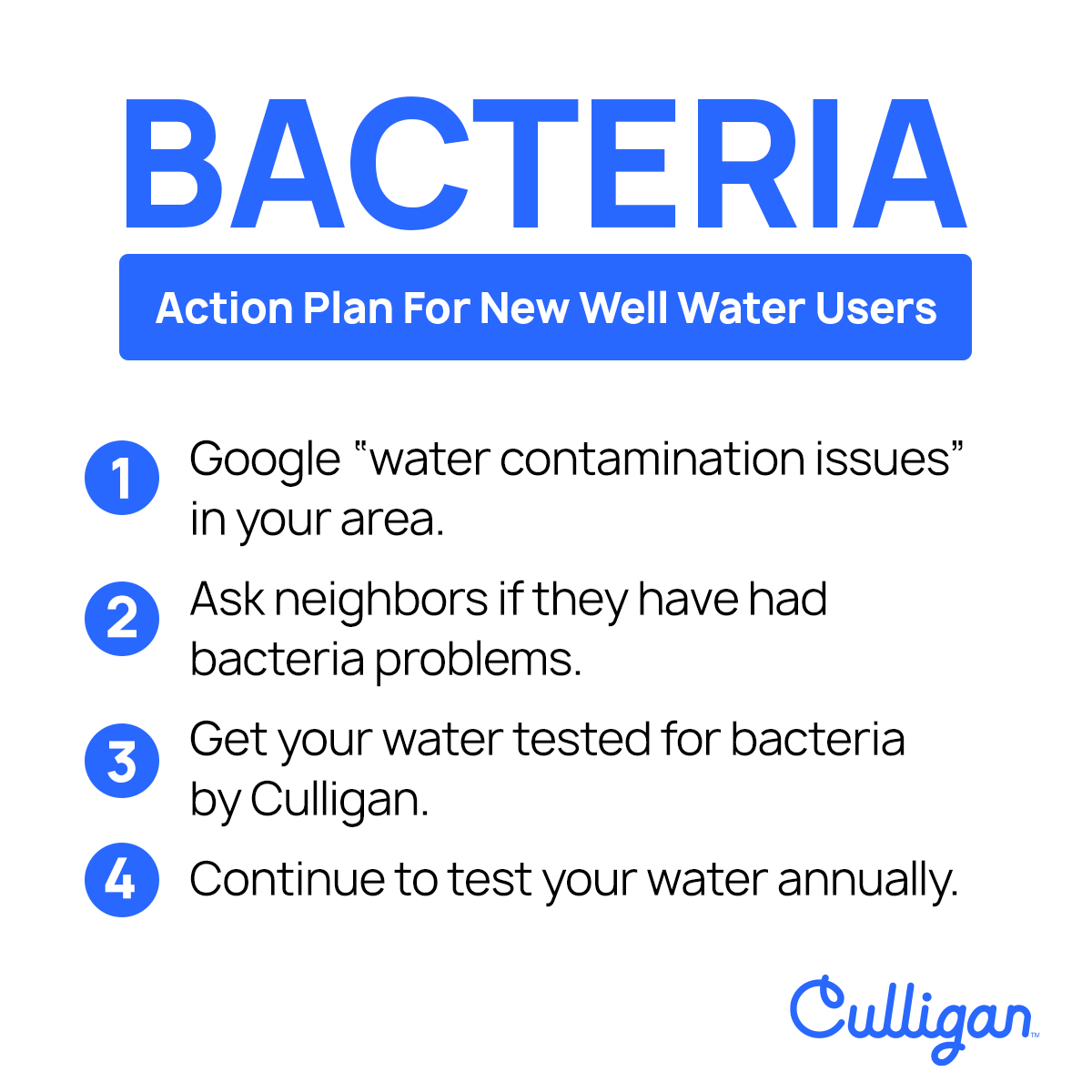
The best way to tell if there is bacteria in your water is always to have it tested, although there are signs to recognize if you suspect you might have a problem with your water:
- Water begins leaving unusual or heavy staining around fixtures and drains, may be rust colored
- Water takes on an unpleasant (rotten eggs or moldy) smell
- Water is cloudy or discolored
- If your water shows any of these symptoms, stop drinking and using it immediately it and call your local water authority.
Even if your water shows no outward signs of contamination, make it a habit to test your water at least once a year. If you use well water, test it biannually to ensure your supply is safe. You should also schedule a water test any time you do septic repairs or upgrades.
Water Treatment for Viruses
It wouldn’t be unprecedented to have a water issue with coronavirus — albeit these problems are typically not related to drinking water. The last major coronavirus outbreak, SARS, was found to be living in contaminated raw sewage for 2 to 14 days.
But the CDC, WHO and EPA cite traditional water treatment methods as a way to get rid of any coronavirus concerns. This would include:
- Chlorination
- Chloramines
- UV Treatment

Facebook