Does Reverse Osmosis Remove PFAS? What Tulsa Homeowners Should Know
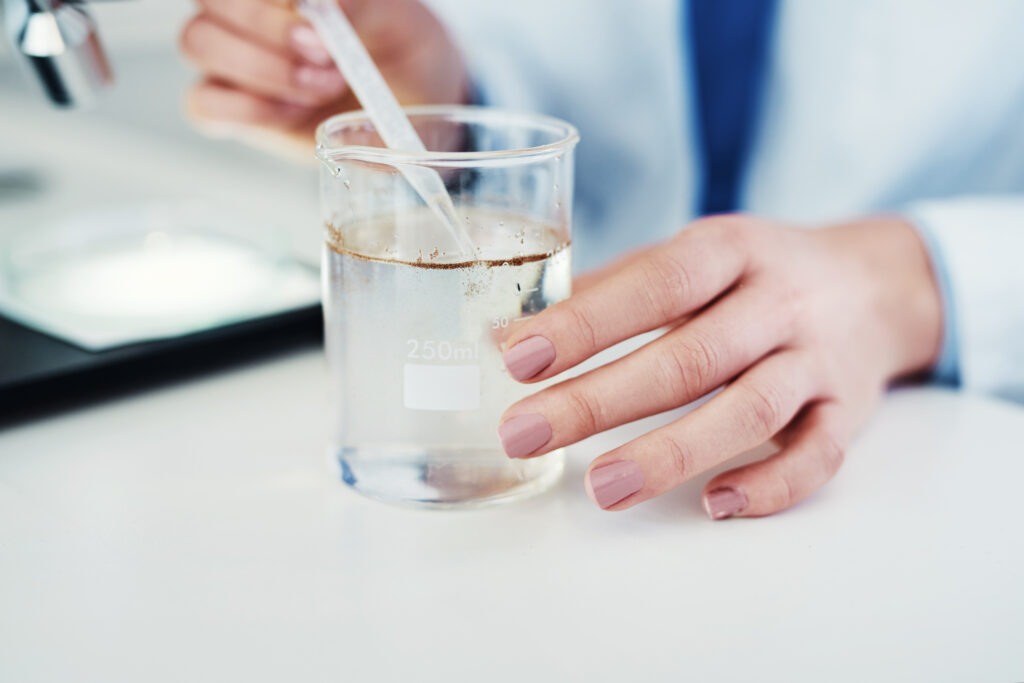
PFAS has shown up in enough news coverage over the past few years that I get asked about it fairly often now, usually some version of “is that actually in my water, and can anything fix it?” Here’s the straight answer, plus what’s actually changing on the regulatory side right now, because that part has been shifting.
What is PFAS, in plain terms?
PFAS stands for per- and polyfluoroalkyl substances, often called “forever chemicals” because they break down extremely slowly in the environment and in the body. They’ve been used for decades in things like nonstick cookware, waterproof fabric, firefighting foam, and food packaging. Over time, PFAS has made its way into soil and water supplies across the country, including here in Oklahoma, through manufacturing runoff, firefighting foam use, and other sources. Whether it’s in your specific water, and at what level, is really a testing question rather than something you can assume either way.
Does reverse osmosis actually reduce it?
Yes, the right system can. Reverse osmosis is one of the most effective residential treatment methods for reducing PFAS, but the claim that matters is the certification behind it. A system has to be tested and certified by an independent third party to the relevant NSF/ANSI standard before anyone can say it reduces PFAS, and not every RO system carries that certification. Culligan’s smart reverse osmosis system, paired with an additional Total Defense filter, is certified to reduce Total PFAS by 99%. The reverse osmosis stages and the extra filtration work together to get there, which is why the specific system matters and not just the technology category. If PFAS reduction is the goal, look for a system certified to the relevant NSF/ANSI standard for PFAS reduction. That certification is what confirms performance, not a manufacturer’s claim on the box.
Granular activated carbon filtration can also reduce some PFAS, particularly longer-chain compounds, but it tends to be less consistent across the full range of PFAS types, especially shorter-chain compounds that have become more common as manufacturers have shifted formulations. RO’s filtration method isn’t selective in the same way, which is part of why it’s often the more reliable option when PFAS specifically is the concern.
The regulatory picture is actually moving right now
This is worth knowing because it changes month to month. The EPA finalized the first national drinking water limits for two PFAS compounds, PFOA and PFOS, in 2024. Since then, the EPA has proposed rescinding limits on several other PFAS compounds and extending the compliance deadline for PFOA and PFOS to as late as 2031 for some utilities, with the details still working through the rulemaking process as of this writing. States are responding differently, with some moving to set their own standards independent of what happens federally.
The honest takeaway: don’t wait on regulations to tell you what’s safe for your household. Testing gives you your actual numbers today, regardless of what the compliance deadlines end up looking like.
What this means for your home
If you’re on municipal water, your provider’s annual water quality report is a reasonable starting point, but it only reflects testing at the treatment plant, not what’s happened by the time water reaches your tap. If you’re on a private well, there’s no utility testing at all; it’s entirely on the homeowner to check. Either way, testing is the only way to know what’s actually coming out of your faucet right now.
If PFAS or another specific contaminant comes back elevated, we typically recommend a Culligan smart reverse osmosis system with a Total Defense filter, usually installed under the kitchen sink for drinking and cooking water specifically. We’ll also walk you through NSF certification details for whatever system we recommend, so you know exactly what it’s rated to reduce, not just that it sounds like the right kind of system.
Get your water tested
Our free in-home water test shows you what’s in your water in general, like hardness and chlorine. PFAS is a separate test. A PFAS test is mailed to a certified lab, and the cost of the lab is passed directly to you, since Culligan doesn’t make any money on it. Testing tells you what’s actually in your water instead of leaving you to guess based on news headlines or a changing regulatory deadline, and from there we can talk through whether reverse osmosis or another option makes sense for your household.
Schedule your free water test, and I’ll walk you through your results and how to get a PFAS test.
Quick answers
Does boiling water remove PFAS? No. Boiling doesn’t break down PFAS compounds, and in some cases it can slightly concentrate them as water evaporates. It’s a common misconception, but boiling isn’t an effective PFAS treatment.
How do I know if my RO system actually reduces PFAS? Check for independent NSF/ANSI certification specifically for PFAS reduction, not just a general “filters contaminants” claim. You can check this online for any system or manufacturer.
Is PFAS only a concern for well water? No. PFAS has turned up in both municipal and private well supplies across the country. The only way to know your own water’s status is to test it directly rather than assume based on your water source.
Author: Abbie Bannister